

Cleveland winters test your plumbing systems. Long stretches of freezing temperatures, heavy snow, and deep frost will put stress on pipes that may have worked without issue for years. In older Cleveland homes, those stresses can expose weaknesses that warmer months keep hidden. Understanding how cold weather affects the plumbing in older homes can help you spot trouble early and prevent plumbing emergencies.
Why Older Cleveland Homes Are More Vulnerable in Winter
Many Cleveland homes have designs from decades ago, long before modern plumbing standards and materials became common. Older pipes can consist of galvanized steel, cast iron, or early copper, all of which degrade over time. Joints loosen, corrosion builds, and pipe walls thin gradually. During warmer seasons, these weaknesses may not cause noticeable problems.
When winter arrives, temperatures drop rapidly and remain low for extended periods. Pipes contract, water pressure changes, and the frozen ground can shift around your foundation. These conditions can amplify existing flaws in aging plumbing systems. As a result, plumbing issues in older homes tend to surface during the coldest months, even if the system seemed to be reliable before.
How Freezing Temperatures Stress Aging Pipes
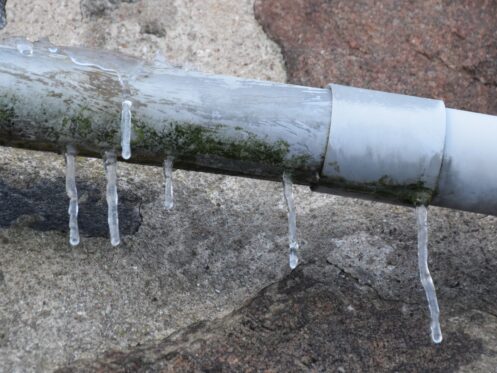
Water expands when it freezes. This basic physical reaction plays a major part in winter plumbing damage. When water inside a pipe freezes, it presses outward against the pipe walls. Newer pipes may tolerate brief freezing, but older materials often can’t withstand that type of pressure. In Cleveland, frozen pipes are most common along exterior walls and in unheated spaces. Pipes installed decades ago may also lack proper insulation or sit too close to cold air infiltration points. Even small drafts in your living space can drop pipe temperatures below freezing.
Frozen pipes that Cleveland homeowners encounter often crack rather than burst immediately. Ice can temporarily seal the break, delaying visible leaks until temperatures rise. Once thawing begins, water escapes rapidly, leading to significant damage before you realize what happened.
Hidden Leaks That Appear After Thawing
One of the most deceptive cold-weather plumbing risks involves leaks that show up after a freeze. Pipes may survive winter nights only to fail during a brief warm spell. As ice melts, cracks in the pipes open, and the water can flow freely into your home. These leaks can remain hidden for days or weeks. If you notice damp spots, musty odors, or unexplained increases in water bills, you may have a hidden leak. In older homes with finished basements, leaks can spread a good bit before you find them.
Corrosion and Cold Weather Interactions
Corrosion weakens pipes gradually, but winter can speed up its effects. Older galvanized steel pipes corrode from the inside out, reducing internal diameters and weakening structural integrity. When freezing temperatures add pressure, corroded sections fail more easily. Cast iron drain pipes also suffer during winter. As the ground freezes and shifts, aging drain lines have a higher chance of cracking or separating at joints. These failures allow sewage or groundwater to infiltrate basements, which will create a sanitation hazard.
Increased Water Pressure During Winter
Winter changes how water systems behave. Municipal supply pressure may increase during colder months, especially when usage patterns shift. At the same time, your family will rely more on indoor plumbing as outdoor activities decrease.
Higher pressure places additional strain on old pipes and joints. Weak connections may begin to seep or leak under this added stress. These slow leaks sometimes go unnoticed until water damage becomes visible. In older Cleveland homes, pressure-related leaks often appear around shutoff valves, pipe joints, or older fixtures. Cold weather does not create these weaknesses, but it exposes them.
Sewer and Drain Line Problems in Cold Weather
Drain and sewer lines also suffer during winter. In older homes, drain lines may slope improperly due to settling over time. When freezing temperatures hit, slow-moving wastewater can freeze inside the pipe. Frozen sewer lines block drainage and cause backups. You may notice gurgling sounds, slow drains, or sewage odors. These winter plumbing problems have a possibility of worsening overnight when temperatures drop further.
Tree roots pose another risk. Roots infiltrate older clay or cast-iron sewer lines. During winter, frozen soil restricts root movement and traps wastewater, increasing pressure inside damaged pipes. This pressure can cause cracks or a full collapse of the pipe.
Why Basements Take the Biggest Hit
Basements act as the front line for winter plumbing damage in older homes. Most main water lines, supply pipes, and drain lines pass through basement walls or ceilings. These areas often remain colder than the higher floors, even when heated. Moisture collects in basements more easily, which increases condensation on cold pipes. Condensation leads to corrosion and the potential for mold growth. During winter, this moisture freezes and thaws repeatedly, accelerating damage.
How Small Warning Signs Appear Before Major Failures
Cold weather rarely causes instant plumbing disasters without warning. However, you may overlook early clues because they seem minor. These signs include inconsistent water pressure, discolored water, strange noises in pipes, or slow-draining sinks. In winter, these warning signs become more frequent. Pipes may bang or whistle as pressure fluctuates. Faucets may sputter when ice partially blocks the flow. Drains may slow as freezing begins in underground sections.
The Role of Insulation and Air Leaks
Insulation quality is important for winter plumbing safety as well. Many older Cleveland homes lack adequate insulation around pipes or in basement walls. Over time, insulation may settle, degrade, or get damaged by moisture. Air leaks compound the problem. Small gaps around windows and doors allow cold air to flow directly onto pipes. Even well-functioning plumbing can’t withstand constant exposure to freezing air.
Why Winter Exposes Plumbing Issues That Stayed Hidden for Years
Plumbing systems can operate under stable conditions for long periods. Summer and fall provide relatively forgiving environments. Winter disrupts that balance by introducing extreme temperature changes, frozen ground, and constant system use. Older materials respond poorly to rapid contraction and expansion. Problems that developed slowly over decades will suddenly reach a breaking point.
Preventing Plumbing Emergencies Before They Start
Prevent plumbing emergencies by preparing before winter fully sets in. Insulating exposed pipes, especially near exterior walls, reduces the risk of them freezing. Keeping basement temperatures consistent prevents cold pockets that can lead to ice formation. Allowing faucets to drip during extreme cold helps relieve pressure and keeps water moving. Opening cabinet doors under sinks improves airflow around pipes. Regular inspections also matter. Checking for corrosion, leaks, and weak joints allows for early repairs. Addressing small issues before winter intensifies prevents larger failures later.
Why Professional Evaluation Matters in Older Homes
Older plumbing systems require experienced assessment. Materials, layouts, and past modifications vary in older Cleveland homes. Our team can identify vulnerable areas that you may miss. Using tools, such as camera inspections and pressure testing, we can detect hidden damage before it becomes an emergency. Early intervention often costs far less than emergency repairs and water damage restoration.
Staying Ahead of Winter Plumbing Risks in Cleveland
Cleveland winters will always test homes, but they don’t have to cause plumbing disasters. Understanding how cold-weather plumbing risks expose plumbing issues in older homes gives you an advantage. At Anderson Heating, Cooling, Plumbing & Electric, we take pride in providing quality plumbing services to the Greater Cleveland area. We know what to expect, so your plumbing system can always run smoothly.
If you have plumbing issues, contact us today.