

Freezing temperatures not only make your home uncomfortable, but they can also damage your plumbing and electrical systems. Prolonged cold weather puts additional strain on both electrical and plumbing systems, increasing the likelihood of breakdowns, safety hazards, and expensive repairs. When temperatures go below the freezing mark, materials contract, water behaves differently, and systems have to work harder to maintain routine operations. Knowing how cold weather affects these systems helps you take proactive steps to maintain winter safety, protect your home, and reduce emergency repairs.
How Freezing Temperatures Affect Plumbing Systems
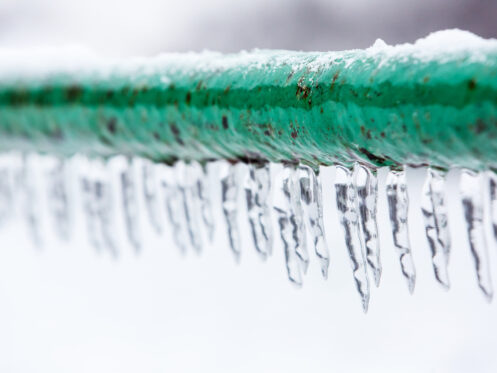
Plumbing systems are especially vulnerable during cold weather because water expands as it freezes. When water inside pipes starts freezing, pressure builds quickly, often resulting in cracked or burst pipes. Common areas where this might occur include exposed spaces, such as crawl spaces, basements, garages, exterior walls, and outdoor spigots. Another issue is how colder water can impact your water heater. Your water heater has to work harder to heat water to the necessary temperature, increasing strain on the system.
Increased Risk of Pipe Bursts & Leaks
Pipe bursts are among the most common winter plumbing emergencies. They’re also some of the most costly situations to deal with. They frequently occur overnight when water remains stagnant in the pipes of a home and temperatures suddenly drop. Even a small crack can quickly release hundreds of gallons of water, resulting in water damage, structural issues, and mold growth.
A slow leak is another potential concern during freezing weather. Ice expansion can result in minor fractures that might not fully rupture a pipe, but can still allow water to seep into flooring, ceilings, and walls. These hidden leaks are notorious for going unnoticed until visible damage occurs.
Proper winter preparation and routine plumbing inspections are crucial for reducing the risks associated with burst pipes. Practice them every year to prevent long-term water damage from happening during freezing conditions.
How Cold Weather Impacts Water Heaters
Freezing temperatures also put extra strain on water heaters, even if they’re deep inside a home. Cold incoming water requires more energy to reach the desired temperature, making the system work harder and longer to meet household demand. This extra workload can accelerate the wear and tear on thermostats, heating elements, and internal components.
Homes with water heaters installed in basements, garages, or other unheated areas run the risk of freezing air impacting performance even more. In extreme cases, the water inside the tank or its connected pipes might freeze, resulting in leaks or even tank failure. Regular maintenance, along with proper insulation around exposed pipes and water heaters, can improve system efficiency and lifespan throughout the winter season.
Electrical Systems Under Strain in Freezing Conditions
Cold weather impacts electrical systems in different ways than plumbing; yet, the risks can prove just as disastrous. When temperatures drop, wiring materials and electrical components contract instead of expand, unlike water. This contraction can increase resistance, loosen connections, and heighten the risk of electrical faults.
Electrical demand also goes up substantially in winter, as heating systems, space heaters, and cold-weather appliances operate more frequently. This additional load can stress circuits, panels, and breakers, particularly in an older home with outdated electrical infrastructure. Outdoor electrical components, such as outlets, service lines, and lighting, are also especially at risk to freezing temperatures, ice buildup, and moisture intrusion.
Overloaded Circuits
Freezing weather frequently leads homeowners to depend on supplemental heating devices, such as portable heaters, space heaters, and electric blankets. These devices are convenient, but they draw significant power; if not used properly, they can easily overload circuits. Overloaded circuits boost the risks of damaged wiring, tripped breakers, and even electrical fires. A home with a limited electrical capacity might struggle to meet increased demand during a cold spell.
Power Surges
A power surge can happen from a winter storm, power lines with ice accumulations, or sudden grid fluctuations. When power surges happen, they can damage sensitive appliances and electronics. Proper electrical system maintenance and surge protection are crucial to minimizing these risks.
Risks for Both Systems
Winter weather can impact plumbing and electrical systems in different ways, as already outlined, but it can also pose similar risks to both systems simultaneously. Frozen ground can affect underground components, and both systems are susceptible to condensation and moisture-related issues.
Frozen Ground & Underground System Damage
Visible components aren’t the only things impacted by freezing temperatures. When the ground freezes, the soil begins to expand and shift. This puts pressure on underground lines for both plumbing and electrical systems. This movement can displace conduits, crack pipes, and strain buried connections.
Homes in areas with poor soil drainage or shallow utility lines might experience higher risk levels of underground damage during a prolonged freeze. Repairs to buried systems are possible, but they’re typically more expensive and complex than those to exposed components. Ensuring proper insulation and burial depth for underground utilities can help minimize winter-related damage.
Condensation & Moisture Problems in Cold Weather
Cold temperatures can be a contributing factor to condensation issues that impact electrical and plumbing systems alike. When warm indoor air meets a cold surface, such as a pipe, exterior wall, or electrical box, moisture can form. Condensation on pipes might accelerate corrosion or weaken materials over time. Moisture can interfere with electrical connections, increasing the risk of shorts and reducing overall system reliability. Proper ventilation, insulation, and humidity control all play crucial roles in preventing moisture-related problems throughout the winter months.
Preventive Steps for Reducing Winter System Strain
Seal air leaks, insulate exposed pipes, and maintain consistent indoor temperatures to prevent frozen pipes. Shut off exterior water supplies, and disconnect outdoor hoses. Letting faucets drip slightly in extreme cold snaps keeps water moving, reducing the risk of freezing.
On the electrical side, limit the use of high-demand devices and appliances on shared circuits. Upgrade outdated panels and install surge protection. These steps improve performance and safety throughout the winter.
Reliable Help for Winter Plumbing and Electrical Needs
Homes throughout the greater Cleveland area face distinct challenges when temperatures go below the freezing mark. From water heater strain and frozen pipes to overloaded electrical circuits and weather-related power issues, winter tests the limits of crucial home systems. Fortunately, Anderson Heating, Cooling, Plumbing & Electric provides trusted plumbing and electrical services that can keep your home comfortable and safe during harsh winter conditions, and we also handle HVAC, drain, and sewer matters.
Whether you need emergency support during a cold-weather breakdown, an electrical inspection, or a plumbing repair, we’re here to help. Protect your home from winter damage and get your systems ready for freezing temperatures by scheduling service with Anderson Heating, Cooling, Plumbing & Electric today!