


Electrical grounding is one of the most basic safety features in your house. A grounding system helps prevent injury and property damage. It does this by giving extra electricity a safe path to the ground. Proper grounding is essential to keeping your home’s electrical system safe. Our electricians at Anderson Heating, Cooling, Plumbing & Electric have put together this guide on electrical grounding to cover what it is, the risks of improper grounding, and how to spot potential problems.
Understanding What Electrical Grounding Is
Electricity naturally seeks a path to the ground. When you look at a picture of a lightning bolt, the electricity in the lightning is trying to find that path. This is why tall structures and trees often suffer strikes during lightning storms. Taller objects are the quickest path between lightning and the ground. So, the bolt travels through them.
The same effect occurs, usually at a much lower power level, in your home’s electrical system. If a shorted appliance produces a shock, the electricity will try to find a path to the ground. Electricity needs a clear path to the ground. Without it, it flows unpredictably through the nearest object. It could be insulation in your walls, your plumbing, appliances, or even a person.
Using a Grounding System
The best way to dissipate the excess electricity is to give it a direct path to the ground. This is what a home electrical grounding system accomplishes. If there’s a problem with the return path in the circuit, electricity can flow through the grounding wire into the ground. This cuts the risk of electrical discharge injuring you or causing property damage.
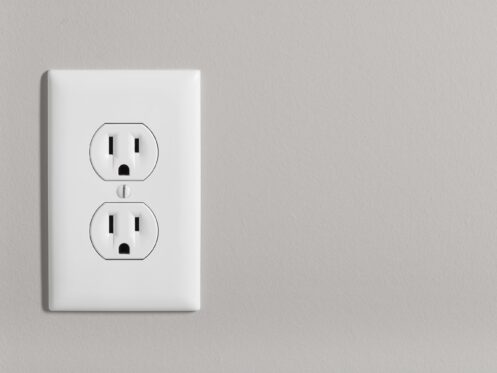
If you look at the plugs in any given home, you will mostly see outlets that either have two or three slots. Any outlet with three prongs should have grounding. 240-volt outlets and systems like washers, dryers, and EV chargers also need a ground. The ground prong on the plug connects the device to the ground wire.
For a ground to work well, there needs to be a solid connection with the earth. In many homes, a grounding rod serves this role. Typically, a grounding rod goes at least eight feet into the soil. A heavy-gauge wire connects the grounding rod to your home’s electrical system. This completes the circuit.
What Causes Improper Grounding?
Several factors can reduce a ground’s effectiveness or even render it useless. The most common problem is the deterioration of the grounding wire. Corrosion can cause the grounding wire to lose its conductive capacity. Loose connections at outlets, the electrical panel, or the grounding rod can reduce the system’s effectiveness. This results in the need for electrical repairs or replacements.
The soil around the grounding rod is sometimes a problem, too. Sometimes, the problem is as simple as the soil shifting, causing the rod to have less contact. Some soils just have less grounding potential. This is a fairly rare problem in our part of Ohio.
Lightning strikes can damage grounding systems. They don’t have to be direct strikes on your home, either. A lightning strike within a quarter mile of your home can affect your home’s grounding system. Notably, this is the grounding system doing its job. A lightning strike can overload your grounding system, leaving it degraded. You may not see any signs of damage.
Surges in the electrical grid may have a similar effect to lightning. The typical scenario involves the electrical company restoring power after an outage. If the electrical company doesn’t get the sequence right, it can overload parts of the grid. The extra energy has to go somewhere. It often flows into homes on the grid that have recently regained their connection. Having an electrician install a surge protector is very important. It’s designed to protect your home from a sudden surge of electricity.
The Risks of Improper Grounding
The main risk of electrical shock comes from an improperly grounded system. Severe shocks can cause an irregular heartbeat or breathing paralysis. This situation can be deadly. Skin burns may appear at the point of contact, too.
One of the more subtle risks is that the shock will discharge into your home’s structure. Especially if the electrical wiring’s insulation is damaged, this can cause a fire. Worse, the problem could lurk for years or even decades before something happens.
Improper grounding can also damage devices in your home. Strong electrical discharges can damage sensitive motors in devices such as refrigerators and air conditioners.
Also, many devices with microprocessors are sensitive to even small upticks in voltage. Your phone, TV, or computer might act strangely. It may also run poorly. In extreme cases, the shock can kill the device. Smart home and alarm systems also frequently fail to operate correctly after overloads.
Signs of Improper Grounding & When To Schedule an Inspection
If you see any obvious signs of electrical problems, schedule an inspection immediately. The most common signs include shocks when walking by and touching appliances. Sparks in the electrical system and burning smells near outlets are also signs. Power tools may struggle with the system, especially if they have a grounded plug. Electronics and appliances can behave oddly or even stop working after you plug them in.
Age is another indicator that it’s time to schedule an inspection. Houses built before 1970 often don’t have the grounding required by today’s National Electrical Code. The 1960s and 1970s were the period when many of the big changes took effect.
Also, it isn’t a bad idea to schedule an inspection if the grounding system is older than 15 years. Corrosion in the wiring or the rod can reduce the system’s effectiveness. Also, soil shifts can occur. Even if you don’t suspect any specific issues, consider an inspection.
Check for damage if there was a lightning strike or power surge near your home recently. These incidents can cause hidden damage. An inspection is the best way to check if the grounding system is working correctly.
Homeowners should consider an inspection before performing any remodeling. It’s smart to check the grounding system before adding a heavy appliance. This includes items like a freezer, hot tub, EV charger, electric oven, or refrigerator. The same goes for adding a furnace, a boiler, a water heater, an air conditioner, or a heat pump.
Ensure Electrical Safety With Anderson Heating, Cooling, Plumbing & Electric
Anderson Heating, Cooling, Plumbing & Electric has a solid reputation in Cleveland, OH, and the surrounding areas. Our company provides live answering 24/7. This lets you quickly set up a grounding inspection with one of our licensed electricians. We also guarantee all our workmanship.
If you’re worried about the grounding system in a house in the Greater Cleveland area, reach out to Anderson Heating, Cooling, Plumbing & Electric now.