

Winters in Ohio can be long and cold. Temperature extremes, snow accumulation, and strong winds make it important to have a reliable HVAC system. This helps keep your home warm and safe. Efficiency is also something you should ensure to help keep your utility bills low. Our team at Anderson Heating, Cooling, Plumbing & Electric can help you with HVAC preparation in anticipation of winter.
The Importance of HVAC Preparation
Extreme winter weather can have a profound effect on your HVAC equipment. If you skip routine inspections and heating maintenance, this can lead to system strain and issues with efficiency. Professional support prior to the start of winter can often help you avoid mid-winter equipment failure and reliability issues. There’s nothing more disruptive than a lack of heat in the middle of a cold snap. Our goal is to spot issues early, such as worn parts, loose connections, or a restriction in airflow.
Schedule Professional Inspections & Maintenance
Don’t wait until temperatures plummet to turn on your heating equipment for the first time. Regardless of whether you have a furnace or heat pump, turn it on in early fall to see if it works. This is the perfect time to schedule professional maintenance as well. A professional inspects and cleans interior components, checks heat exchangers and flame sensors, and ensures the refrigerant levels in a heat pump are sufficient.
Perform Thermostat Maintenance
Change the batteries in your thermostat before winter arrives. Also, make sure your unit is set to the heat function. Consider adjusting your thermostat programming if your schedule has changed since last year. If you don’t already have one, you may want to upgrade to a smart thermostat. It can save you money and provide exceptional convenience.
Change Your HVAC Filter
Change your HVAC filter before winter starts. Ideally, this is a process you should complete once every 30 to 90 days. A clean filter protects your heating equipment and ensures healthy indoor air quality. If you’re using a dirty filter throughout fall and into winter, this can strain your blower motor and cause energy consumption to rise.
Clean Registers & Vents
Wipe down your registers and vents. They become dusty over time, which can impact indoor air quality. Keep all your vents and registers open to ensure optimal airflow through your HVAC system.
Don’t Forget Your Ductwork
It’s important to have your ductwork inspected every few years. Our team will look for gaps or cracks that will allow air to escape. This issue can dramatically increase your energy bills and strain your HVAC equipment. You may notice inconsistent temperatures throughout your home when ductwork issues are present.
It’s possible to develop disconnected seams over time. These areas can usually be repaired using a professional sealant or mastic tape. Large areas with damage may require replacement.
Schedule a ductwork cleaning every three to five years. Allowing debris to build up inside your ducts can lead to equipment strain and indoor air quality issues.
Preparing Outdoor Equipment
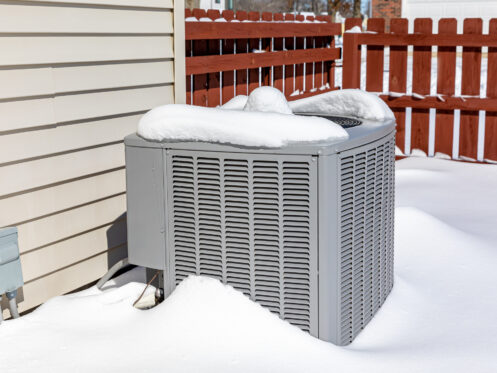
If you have a heat pump, make sure to remove any leaves and debris that have collected around your outdoor unit. Ideally, maintain two to three feet of clearance on all sides. Periodically inspect this area for snow or ice buildup as well.
If you have a central air conditioner, prepare this outdoor unit for winter as well. Keep the area clear and make sure large accumulations of snow and ice don’t form on its surface. Some units can get wrapped for the winter. Speak with our team before performing this maintenance. Some models can experience damage if moisture becomes trapped inside the unit while being covered.
Check Smoke & CO Detectors
There is a risk of carbon monoxide exposure when you have a combustion-driven furnace. Also, malfunctions can lead to a fire. Check your smoke and carbon monoxide detectors before using your heating equipment. Change batteries and use the test button to ensure their function. Most smoke detectors last approximately 10 years. Carbon monoxide detectors last around five to seven years. Change them if they are past these time frames.
Seal Your Home
If you have a lot of gaps and cracks around your home, this allows cold air to come inside and warm air to escape. Before winter, go around and replace any weatherstripping that is worn. Use caulk to fill in areas around your windows and doors.
Consider upgrading your insulation. Having a sufficient level of insulation can reduce the burden on your HVAC system. In many cases, there are rebates and incentives available to offset the cost of this upgrade.
Troubleshooting HVAC Problems
If you turn your HVAC system on for the first time and it doesn’t work, there are some steps you should take. Check the thermostat to ensure it’s set to the heat function and that the batteries are working. You may hear the unit starting up, but no warm air is coming from your vents. This may be due to a failed ignition system or gas supply issue. Call a professional right away to diagnose the problem.
Short cycling refers to your heating equipment turning on and off in short bursts. However, it doesn’t complete a full cycle before turning off. There are several reasons why short cycling can occur. You may have a dirty filter or a malfunctioning thermostat. If your heating equipment isn’t the correct size for your home, this can also result in short cycling. It’s a good idea to have our team inspect your system to figure out what’s going on. Otherwise, your home will be uncomfortable, and you can experience equipment strain and high energy bills.
Heat pumps can experience frozen coils or ice on the outdoor unit. This can be the result of restricted airflow or low refrigerant levels. It’s important that you don’t try to chip away at any ice that has formed. Simply shut down your system and contact a professional for assistance.
Your home should be consistently warm throughout the winter months. If you’re noticing a lot of hot and cold spots, check to see if vents are open fully. You may need to adjust your dampers to direct airflow. A professional ductwork inspection can rule out damage that’s allowing conditioned air to escape.
Consider an HVAC Upgrade
If your heating equipment is near 15 to 20 years in age or is past that point, consider upgrading. New HVAC technology is very efficient and effective. You can achieve a consistently comfortable home by investing in a new unit. While there is an upfront cost of investing in an HVAC upgrade, you will likely save money in the long run.
Consider investing in a whole-home humidifier as well. You should maintain an indoor relative humidity level between 30% and 50%. Otherwise, dry air can make your home feel colder than it is. This leads to overuse of your heating equipment, high energy bills, and equipment strain.
Contact Anderson Heating, Cooling, Plumbing & Electric Today
Don’t wait to schedule an appointment for routine HVAC maintenance. Our team at Anderson Heating, Cooling, Plumbing & Electric can inspect your system, perform maintenance, and address any necessary repairs. Taking care of this service before winter arrives ensures fewer system surprises in the winter months. We also install new HVAC equipment and can help you tackle indoor air quality concerns.
Contact us at Anderson Heating, Cooling, Plumbing & Electric in Mentor today to find out more.