

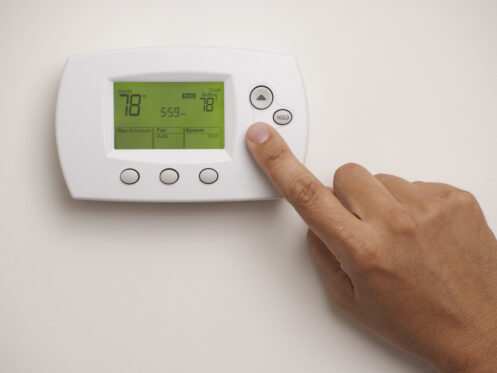
Your thermostat is small, but mighty. It acts as the control center for your HVAC system, so it has a big impact on indoor air quality and occupant comfort. When a thermostat works properly, all you have to do is set it and forget it. If it fails, you have to deal with inconsistent temperatures, higher energy bills and other problems.
But how do you know if it’s time to replace your thermostat? Review these bad thermostat signs to decide whether you need professional help.
7 Bad Thermostat Signs
HVAC problems can occur for a variety of reasons, but thermostat issues are common. Call us right away if you have any of these signs of a bad thermostat.
1. Incorrect Temperature Readings
Every thermostat has what’s known as a “swing.” The swing gives your HVAC system a few degrees of wiggle room. For example, your thermostat might have a swing of 2 degrees. This helps the system maintain consistent temperatures without short cycling (turning on and off constantly).
If you set the thermostat to 68 degrees Fahrenheit, the swing might prevent your air conditioner from turning on until it reaches 69 degrees Fahrenheit. This 1-degree difference shouldn’t be enough to affect your comfort. However, if it feels like it’s 72 or 74 degrees Fahrenheit, you may have a bad thermostat. An incorrect reading can cause your HVAC system to waste energy, so it’s important to call for service right away if you notice any unusual variations.
2. Your HVAC System Won’t Turn On or Off
One of the biggest signs of bad thermostat function is if your HVAC system won’t turn on or off. For example, if you’re cold, you might turn the thermostat up to trigger the furnace to start. If nothing happens, you might have a bad thermostat. In some cases, you have the opposite problem. You’re too hot or too cold, so you adjust the thermostat, but your HVAC system keeps running anyway.
3. Your HVAC Bills Have Increased
How you use your thermostat has a big impact on your energy bills. If you set the thermostat low in the summer, your cooling system might run constantly. Setting it high in the winter can keep your furnace chugging.
But what if your HVAC bills have increased without any change in your thermostat usage? This can indicate a problem with the thermostat. For example, if your thermostat reads temperatures incorrectly, it can allow your HVAC system to run even when your house is already too hot or too cold.
4. Short Cycling
Short cycling is when your HVAC system turns on and off frequently. This is one of the top signs of a bad thermostat. Not only is short cycling annoying, but it can also cause your HVAC equipment to wear out faster. The harder the system works, the easier it is for components to break down, especially if you don’t perform routine maintenance. A malfunctioning thermostat can cause short cycling by sending incorrect signals to your heating or cooling equipment.
5. You Need Frequent HVAC Repairs With No Clear Cause
If you’ve had several service calls without a clear answer, you could have a faulty thermostat. Since the thermostat acts as the “brain” of an HVAC system, even minor problems can reduce efficiency and make it difficult to maintain consistent temperatures throughout your home. Short cycling, system shutdowns and inconsistent heating or cooling may all be bad thermostat signs rather than problems with the HVAC system itself.
6. Unresponsive or Blank Display
Many homes have newer thermostats with digital displays. These thermostats are more attractive and efficient, but they can develop display problems. For example, you may not see anything on the display, or the thermostat might fail to respond when you press one of the buttons.
If you have these problems, the first thing you should do is check the batteries or look for a tripped circuit breaker. Assuming everything is working properly, you might have a bad thermostat in the house. Display problems are often caused by aging components or internal electrical failures.
7. Old or Outdated Thermostat
Thermostats can fail out of the blue, but many problems are caused by age rather than critical issues. Older thermostats are less efficient than newer ones, and they’re more susceptible to wear and tear. If your thermostat is more than 10 years old, consider replacing it.
Replacing an outdated thermostat often improves performance, increases energy efficiency and makes it easier to keep your home comfortable. You can even get a smart thermostat that lets you create climate schedules or adjust the temperature from your phone or tablet.
Let Anderson Repair or Replace Your Thermostat
If you have symptoms of a bad thermostat, it’s important to consult a professional. Anderson Heating, Cooling, Plumbing & Electric has experienced technicians available to diagnose your thermostat problem and recommend a solution. Contact us today to schedule a service call.

