


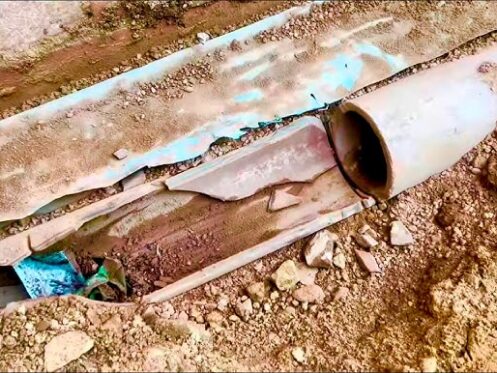
Until the 1970s, builders often used clay pipes for residential sewer systems. Many Greater Cleveland homes were constructed in the 1940s, so if you live in an older home and haven’t updated your plumbing system, there’s a good chance you still have a clay sewer pipe. Although clay is durable, it’s not damage-proof, so tree root intrusion, shifting soil and other problems can lead to leaks or blockages.
Understanding the warning signs can help you avoid extensive damage. Use this clay sewer pipe repair guide to learn about the common causes of clay pipe issues, how professionals diagnose the problem and what repair options may be available.
What Are Clay Sewer Pipes?
Clay sewer pipes, also known as vitrified clay pipes, are made from clay that’s been crushed, blended, and formed into piping material. They resist chemicals, corrosion and internal abrasion, making them extremely durable. Another benefit of using clay pipes is that they don’t expand and contract as much as other piping materials when wastewater temperatures fluctuate.
Common Signs of a Clay Sewer Pipe Problem
Most builders stopped using clay pipes around 50 years ago, so if your home has a clay sewer pipe, it’s probably several decades old. By this point, it may be showing signs of wear.
Watch out for these warning signs of pipe failure:
- Gurgling drains
- Frequent drain clogs
- Sewage odors inside your home
- Slow-draining toilets, tubs or sinks
- Wet patches in your yard
What Causes Clay Pipes to Fail?
Clay sewer pipes can fail for several reasons, but tree root intrusion is one of the most common. This occurs when a tree root enters the line in search of moisture. Once there’s a root in the line, it keeps growing and can block the flow of wastewater from your home to the sewer system. If the root is especially large, it can grow enough to break the pipe apart.
Although these pipes are durable, clay is relatively brittle. Temperature changes, soil movement and heavy foot traffic above the sewer line can all cause a clay pipe to crack. In some cases, sewer pipes crack due to natural aging. If a pipe cracks, the risk of tree root intrusion increases.
Pipe separation and pipe collapse are also common sewer problems. Clay sewer systems are often composed of multiple sections of pipe, held together by mortar, mechanical compression gaskets or flexible rubber couplings. Over time, ground movement can cause the joints to come apart, allowing sewage to leak into the soil around the pipe.
Pipe collapse is when a clay pipe caves in or gets crushed. This often occurs due to advanced aging, extreme soil pressure or excessive root growth. A collapsed line may need to be replaced, rather than repaired.
Diagnosing the Cause of Clay Pipe Damage
A camera inspection is one of the best ways to diagnose the cause of clay sewer pipe damage. This involves inserting a flexible camera into your sewer system. The camera allows us to see below the ground’s surface, making it possible to identify tree roots, cracked pipes, blockages and other issues.
We can also perform drain testing and flow analysis to identify the root cause of your sewer issue. Flow tests evaluate how well water flows through the system, so they’re useful for diagnosing pipe defects, blockages, and capacity issues.
Common Clay Sewer Pipe Repair Options
Once we identify the cause of your clay pipe problem, we can usually fix it with hydro jetting or trenchless sewer repair. Hydro jetting involves using streams of highly pressurized water to clear tree roots, sludge, grease and mineral scale. Removing debris clears blockages, restoring normal flow and eliminating the need to dig up your yard. Although hydro jetting offers several benefits, it can’t fix broken or collapsed pipes, so it’s best for addressing clogs and tree root intrusion.
Trenchless sewer repair allows us to repair your clay pipe without digging long trenches. Once we access the damaged pipe, we can try pipe lining or pipe bursting. Pipe lining involves inserting a resin-coated liner into the damaged pipe. Once the liner cures, it creates a durable new interior. Pipe bursting involves breaking the old pipe apart while pulling a new one into place.
Why Is Professional Sewer Repair Important?
Sewer systems are complex, so it’s important to hire a licensed professional to address problems with a clay pipe. At Anderson Heating, Cooling, Plumbing & Electric, our plumbers have the knowledge and experience to diagnose your sewer issue correctly and determine the best way to repair it. Hiring an experienced sewer repair company also ensures you get a long-term solution to your problem instead of a temporary fix.
Partner With Anderson
Anderson Heating, Cooling, Plumbing & Electric has licensed professionals available to handle all your sewer needs. Contact us today to schedule drain testing or sewer camera inspection.

