

People don’t often think about the air quality inside their homes, but dust, pollen and other contaminants may be lurking. Considering the average American spends 90% of their time indoors, it’s worth considering how airborne pollutants can impact your comfort and health. While conventional filters in your heating and cooling system can trap some particles, air scrubbers use additional technologies to deliver cleaner, fresher air. Here’s a rundown of what HVAC air scrubbers are and how they work to boost air quality inside your Cleveland-area home.
What Does an Air Scrubber Do?
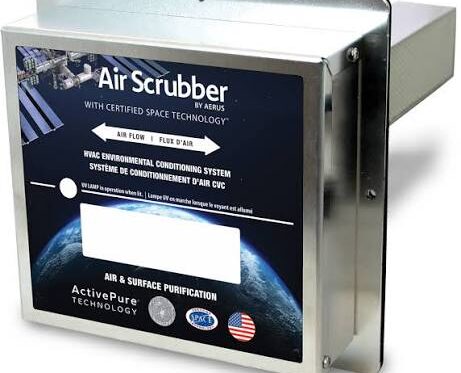
An air scrubber is a device that removes contaminants from indoor air. Whole-home air scrubbers are installed directly in your HVAC air ducts. These air cleaning systems work as part of your home’s heating and cooling system, treating the air as it circulates through your space.
Most HVAC systems have standard filters that capture dirt and other particles when air enters the system. But their primary job isn’t to clean the air you breathe; it’s to trap large particles and prevent dirt from building up in your HVAC equipment. Air scrubbers take this one step further, focusing on treating the air. They target a broader range of contaminants, including smaller particles that may get past standard filters.
Depending on the technology used, air scrubbers may help reduce:
- Dust and dirt
- Pet dander, pollen and other allergens
- Smoke and odors
- Volatile organic compounds (VOCs) from paint, cleaners and household products
- Certain bacteria, mold spores and microorganisms
How HVAC Air Scrubbers Work
Air scrubbers clean the air that flows through your HVAC during heating and cooling cycles. The air passes through standard HVAC filters and, if installed, the air scrubber, where additional airborne contaminants are reduced.
Depending on the model, air scrubbers may use various technologies, including:
- Advanced filtration: Air scrubbers for HVAC systems may use several stages of filtration to target a range of particles. Some also use activated carbon to help reduce odors and certain gases.
- Ultraviolet light: UV light technology can help neutralize microorganisms, such as bacteria and mold spores, preventing them from reproducing.
- Ionization: Some air scrubbers release charged ions that interact with airborne contaminants. This causes the contaminants to cluster together, which makes them easier to capture. Ionization may also address certain odors and gases.
Once the HVAC system filters, treats and heats or cools the air, the fresher, cleaner air circulates back into your home.
Air Scrubbers vs. Air Purifiers
If you’re shopping for an air cleaning system, you may see the terms “air scrubbers” and “air purifiers” used interchangeably. While both are designed to reduce airborne contaminants, they differ in how they treat the air.
- Air purifiers are usually portable or standalone devices that clean the air in one room.
- Air scrubbers for HVAC systems work alongside your heating and cooling equipment to provide whole-home air treatment.
The best option depends on the size of your home and the types of contaminants you want to address.
Benefits of an Air Scrubber
An HVAC air scrubber can improve indoor air quality and comfort in a variety of ways, helping to:
- Reduce airborne contaminants. Air scrubbers can help reduce dust, pollen, pet dander and other particles floating through your home.
- Manage odors. Some air scrubbers use technologies such as activated carbon to help reduce smells from cooking, smoke and pets.
- Reduce allergens. HVAC air scrubbers may improve air quality during allergy season, helping to make homes more comfortable for people with asthma or allergies.
- Reduce exposure to VOCs. Certain models can help absorb gases emitted by paint, varnish, cleaners, furniture, flooring and other household goods.
- Protect your HVAC system. With less particulate matter entering and settling inside your heating and cooling equipment, your HVAC system can work more efficiently.
- Treat air throughout your home. Because air scrubbers are installed within your HVAC system, you don’t need to have multiple air purifiers in different rooms.
Additional Ways to Improve Indoor Air Quality
Many factors affect your home’s air quality. Pairing an air scrubber with simple daily practices can help you take a more complete approach to keeping your home’s air clean.
These include:
- Changing your HVAC filter regularly to keep your system running efficiently.
- Scheduling regular air duct cleaning to reduce dust and debris buildup.
- Improving ventilation by using exhaust fans and bringing in fresh air when possible.
- Managing indoor humidity levels to help create a more balanced environment.
- Choosing lower-VOC products and limiting indoor smoke.
- Regularly cleaning and vacuuming rugs and upholstery to reduce dust, pet dander and other particles.
Air Scrubber HVAC Maintenance
Like any part of an HVAC system, an air scrubber must be well maintained to work effectively. Specific air scrubber maintenance requirements depend on the model, so be sure to follow the manufacturer’s recommendations. Some have filters that need to be cleaned or replaced, and others rely on your HVAC system’s existing filtration.
The good news is, a licensed technician can clean and inspect your air scrubber as part of routine HVAC maintenance, ensuring all components are working properly.
What to Consider When Choosing an HVAC Air Scrubber
Before investing in an air scrubber, consider the types of contaminants you want to reduce. Are you concerned about dust, allergens, odors or VOCs? As models differ in the technologies they use and the pollutants they target, it’s important to choose a system that can address your air quality concerns.
Make sure the air scrubber is appropriately sized for your home so it can do its job effectively. Air scrubbers are typically sized based on cubic feet per minute (CFM), which measures the amount of air the system can process in that amount of time. Lastly, because air scrubbers are installed within your HVAC system, consult with a qualified professional.
If you’re in the Greater Cleveland area, contact the experts at Anderson HVAC. Our friendly and knowledgeable team can discuss your concerns, recommend solutions compatible with your home and properly install the unit. We can also help you understand any maintenance requirements so you can enjoy fresher, cleaner air for years to come.

