


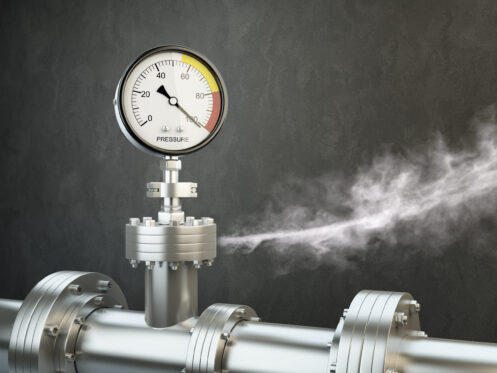
Natural gas is a common household fuel used for cooking, heating and drying clothes. Most of the time, it’s safe — unless there’s a gas leak. When gas escapes, it increases the risk of fires, explosions and serious health problems. If you know how to recognize the signs of a gas leak, you can spot issues quickly and take steps to keep your family safe.
Signs of a Gas Leak
If your home uses natural gas, it’s important to keep an eye out for leaking gas symptoms. Leaks don’t resolve themselves, and by fixing them quickly, you can prevent a small issue from escalating into a dangerous situation.
Rotten Egg Smell
Although natural gas doesn’t have an odor of its own, gas companies add nontoxic sulfur compounds to give it a distinctive smell. While the exact odor can vary, it usually smells like rotten eggs. If you start noticing this scent in your home — especially if it’s extremely strong or concentrated around a specific appliance — you might have a gas leak.
Changes in Appliance Performance
Has your gas dryer started leaving clothes damp? Is your stove or water heater struggling to produce a consistent flame? That might be because a leak is interrupting the flow of gas.
Natural Gas Poisoning Symptoms
When natural gas leaks into your home, it displaces oxygen. As you start to breathe in more gas, you might notice physical symptoms, including:
- Headaches
- Dizziness or lightheadedness
- Nausea
- Vomiting
- Unusual fatigue
- Trouble breathing
- Eye irritation
- Chest pain
- Confusion
- Blurry vision
If anyone in your home experiences symptoms of natural gas poisoning, seek medical attention immediately.
Hissing or Whistling Sound
When your gas appliances are working correctly, you’ll hear normal operating sounds. But if they start making new noises — especially whistling, hissing or roaring — it might be a sign of a gas leak.
This doesn’t always mean you have a gas leak; sometimes, gas appliances make new noises when there’s a blockage. However, it could also mean that gas is escaping from a hole or a loose connection. Either way, it’s a good idea to call in a professional to check it out.
Higher Gas Bills
If your gas bills are higher than usual and your usage hasn’t changed, it could mean gas is leaking out of the system. If you haven’t noticed any smells or gas poisoning symptoms, the leak could be outside.
Dead Grass and Plants
As natural gas flows out of your system, it can damage nearby plants. Your houseplants may start wilting or drying out, especially if they’re near the leak. If the issue is outside the house, you might start seeing a patch of unusually yellow grass.
Air Bubbles
Natural gas lines outside your home can develop leaks, sending gas into the ground. Depending on the location, you might see dirt blowing around above the leak. If the leak is located under a puddle, it can create bubbles in the water.
What to Do if You Suspect a Gas Leak
If you notice signs of a gas leak, it’s important to leave your home immediately. Don’t flip light switches, turn electronics on or off, use your phone, touch appliances or light matches on your way out — if you accidentally create a spark, it could ignite the gas in the air. Consider leaving the doors open to allow the gas to escape.
Once you’re away from the house, call 911. First responders can test for a leak and turn off your home’s natural gas supply safely. They can also evaluate anyone who has symptoms of natural gas poisoning. Then, call your natural gas company. Depending on the situation, they may need to send workers to make sure your home is safe.
When first responders say it’s safe to reenter your home, you can go back inside. If there’s a leak, you might not be able to use gas-powered appliances or systems right away. You may need to replace faulty appliances or schedule gas line servicing.
Preventing and Fixing Gas Leaks
Natural gas leaks can be stressful, dangerous and expensive. The good news? Many leaks are preventable with regular maintenance. With annual inspections and stove, furnace or boiler maintenance, you can ensure your gas lines and appliances are in good shape.
If your home has one or more gas appliances, don’t wait until you spot signs of a gas leak — contact the experienced team at Anderson HVAC, Plumbing and Electrical to schedule an inspection today.

