


Bleeding a furnace involves removing air from the fuel lines. Trapped air can prevent your furnace from combusting properly, which wastes fuel and increases wear. In some cases, it can cause the furnace to turn off unexpectedly. By learning how to bleed a furnace — or hiring a professional to do it for you — you can keep your system running efficiently.
Can You Bleed a Furnace on Your Own?
While every situation is different, you can often bleed a furnace yourself. It’s a pretty quick task, and it requires basic tools you probably have in the house. You might need to bleed the furnace after you run out of oil, your furnace goes into lockout mode or you hear unusual noises from the furnace or oil lines.
Note: This process is only designed for oil furnaces. You should never try to bleed a natural gas furnace. If you’re not sure, it’s always better to bring in a technician to help.
How to Bleed an Oil Furnace
With the right equipment, you can learn how to bleed an oil furnace and complete the process in less than an hour. Just make sure to work slowly and carefully, and keep kids and pets out of the way while you work.
Check the Oil Tank
Check the fuel level in the tank. If it’s empty, you’ll need to add more oil before you start bleeding the furnace.
Gather Your Tools
Before you get started, make sure you have all the necessary tools on hand.
For most furnaces, you’ll need:
- Wrench (usually 3/8 inch)
- Safety glasses
- Gloves
- Bucket or disposable container
- Clear plastic tube (if needed)
Turn Off the Furnace
Turn off the power to your furnace. Some models have a switch, while others are hardwired into the home’s wiring. If you can’t find a switch, find your home’s breaker panel. Locate the switch connected to your furnace, and turn it off. If it’s been running, give it plenty of time to cool down before you continue.
Find the Bleeder Valve on Your Furnace
The bleeder valve is usually located close to where the fuel line enters your furnace’s oil burner. It should have a hex nut that opens and closes the valve. If you have trouble finding it, check your manual.
Once you locate the bleeder valve, ensure your wrench fits neatly around the nut. You’ll need the right wrench to open and close the valve. Leave the wrench in place.
Place your bucket under the bleeder valve. If your bleeder valve faces up, attach a plastic tube, and put the other end in the bucket. You might also need to use a tube if your fuel burner is located high above the ground.
Turn on the Furnace
Turn the furnace back on. This allows the pump to run when you’re bleeding the lines.
If your furnace is in lockout mode, you might need to reset the controller. Check your manual for instructions.
Bleed the Fuel Lines
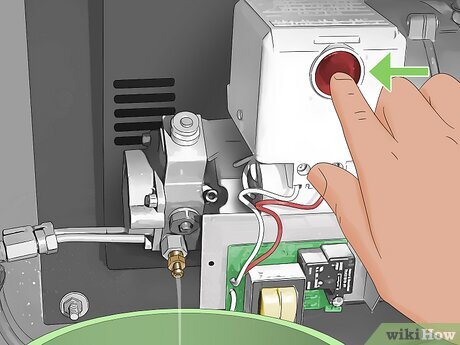
Use your wrench to twist the hex nut counterclockwise until the valve opens. You might hear air escaping, or a few drops of oil might drip out. If the burner doesn’t turn on automatically, push the button on the top of the unit.
Once the pump is on, oil should start flowing out of the bleeder valve. Depending on how much air is in the lines, the valve might sputter with air and oil at first.
Keep the valve open until you see a steady stream of oil. If you’re using a tube, you shouldn’t see any air bubbles. Then, use the wrench to close the bleeder valve.
Check the Furnace Flame
Once you close the bleeder valve, check the flame in the furnace. If it stays steady, you’ve likely gotten all the air out of the line. If the flame goes out or sputters, repeat the bleeding process. Depending on your furnace model, the pump may shut off automatically if the fuel doesn’t start flowing.
Continue bleeding the lines until the fuel runs steadily and the flame stays steady. If air continues to flow, the flame won’t stay lit or the furnace keeps turning off, it can indicate a bigger problem — or another issue, such as a bad thermostat. When that’s the case, it’s a good idea to get a professional to identify the cause.
When to Hire a Professional to Bleed Your Furnace
If learning how to bleed a furnace feels overwhelming, you can call in an HVAC technician to do the job for you. The professionals have the tools and skills to get the job done quickly and safely — and if something else is wrong in your furnace, they can find and fix the problem before it causes a heating system failure.
If you’re in Cleveland or northern Ohio, contact Anderson Heating, Cooling, Plumbing & Electric to schedule a furnace servicing. Our experienced technicians can get your system back online, so you can stay comfortable.

