


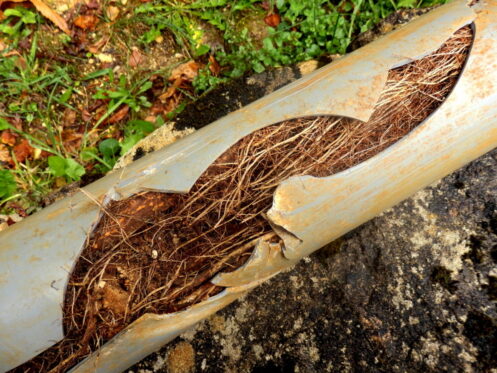
Summer storms put extra stress on residential plumbing systems, especially when underground sewer lines are already struggling. Tree roots only amplify these threats. Trees add beauty to the landscape, but their roots can spread more than 30 feet, allowing them to enter sewer pipes. The moist environment promotes continued growth, eventually causing major plumbing issues. Anderson Heating, Cooling, Plumbing & Electrical can help with professional sewer line repair.
Why Tree Roots Are Such a Problem
Tree roots seek out moisture and nutrients, so they’re naturally attracted to underground sewer pipes. This isn’t much of a problem when the pipes are in excellent condition, but older pipes may have loose joints or small cracks. Roots can easily enter pipes via these small openings.
Once it’s inside your plumbing system, the root keeps growing, which may cause:
- Frequent clogs
- Burst pipes
- Pipe fractures
- Reduced wastewater flow
- Sewage backups
- Sewer line blockages
If you have mature trees on your property, it’s important to pay close attention to your plumbing system, especially during storm season. The Greater Cleveland area is home to several tree types, including oak, maple and American sycamore, all of which can cause these problems.
Issues With Clay Pipes Plumbing
For more than a century, builders used clay pipes to construct residential plumbing systems. Clay sewer pipes resist corrosion, making them more durable than other materials. Unfortunately, they have multiple connection points, increasing the risk of tree root intrusion.
A clay sewer pipe may develop the following issues:
- Joint separation due to soil movement
- Pipe misalignment from seismic activity (earthquakes)
- Hairline cracks from repeated freezing and thawing
- Age-related wear and tear
Michigan’s weather patterns can make these issues even worse. Seasonal freezing and thawing cause the soil to expand and contract, putting extra stress on underground pipes. When it gets warmer, heavy rains put more pressure on already weak sewer lines, increasing the risk of a blockage.
Warning Signs of Root Intrusion
Root problems rarely happen overnight. It takes time for a tree’s roots to spread outward, find an entry point and block off a sewer pipe. However, you may notice some warning signs long before a major clog forms. Slow drains are one of the most common signs of a sewer line problem.
Call Anderson if you have any of these issues:
- Sink backups
- Slow-draining bathtubs
- Sluggish toilet flushing
Frequent drain backups, gurgling sounds or sewage odors can also indicate a problem. If clogs return shortly after you snake your drains, they may be caused by tree roots rather than soap scum, grease, hair or food particles. Gurgling sounds occur when a partial blockage traps air in drains or toilets. Foul odors in your yard or basement point to a compromised sewer line.
Surprisingly, bright green patches of grass are also a common sign of sewer problems. When sewage leaks into the ground, it fertilizes the surrounding area, causing rapid growth.
How Summer Storms Compound Existing Sewer Problems
During a summer storm, it’s possible to get a few inches of rain in a single day. When a sewer line is already narrow due to tree root intrusion, extra water makes the problem worse.
Storm-related risks include:
- Increased pressure around your sewer pipes
- Faster root growth
- Groundwater infiltration
- Increased risk of basement backups
Even if your partially blocked sewer line functions normally when it’s dry, it can malfunction during a storm, leaving you with a big mess. This is why pre-storm inspections are so valuable. We can remove tree roots before a storm occurs, reducing the risk of plumbing problems.
The Sewer Line Repair Process
At Anderson Heating, Cooling, Plumbing & Electrical, our plumbers use specialized tools to examine underground sewer lines.
The first step is usually a video sewer inspection, which uses a waterproof camera to look for:
- Tree roots
- Cracks
- Collapsed pipes
- Joint separation
- Debris buildup
With a camera inspection, there’s no need to guess what’s causing your sewer issues because we can show you visual evidence. We may also use flow testing to evaluate how well wastewater moves through your sewer line. These diagnostics help us determine whether we need to clean your pipes or do a complete sewer line repair.
Options for Solving Problems Caused by Tree Roots
The right solution to your root problem depends on the extent of the damage. Mechanical root cutting involves using specialized blades to remove roots from the pipe’s interior.
Hydrojetting uses high-pressure water streams to eliminate tree roots, grease and other debris. It’s highly effective for moderate root intrusion, as it removes stubborn buildup and improves flow. Cleaning removes blockages, but damaged pipes often need to be repaired to prevent plumbing problems from recurring.
We may recommend complete sewer line repair if your pipe has:
- Significant cracks
- Collapsed sections
- Misaligned joints
- Severe root penetration
Common repair options include spot repairs, trenchless lining or full replacement. If you have outdated clay pipe plumbing, replacement may be the best solution.
Protect Your Sewer Line Before Storm Season
If you have recurring drainage issues, older pipes or a yard full of mature trees, now’s the time to schedule an inspection. Summer storms can easily turn minor root problems into a plumbing emergency. Call Anderson Heating, Cooling, Plumbing & Electrical to learn how we can help you avoid sewage backups, mold growth and other issues.

