


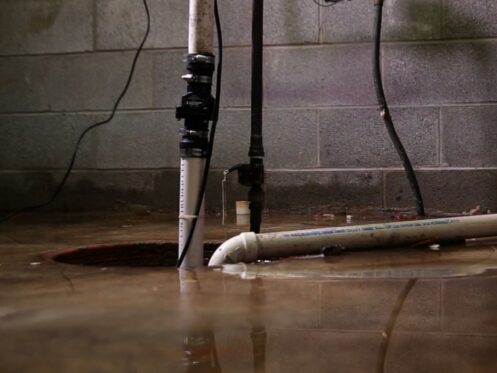
Summer is all about relaxing and enjoying the warm weather, unless you’re dealing with sump pump failure. Thanks to high levels of humidity, summer often brings heavy storms, which can overwhelm drainage systems and cause older sump pumps to fail when they’re needed most. If you’ve noticed changes in your pump’s performance, call a plumber right away. Addressing problems early is easier than waiting until your basement floods.
What Is a Sump Pump?
A sump pump is a small device installed in the lowest part of your crawl space or basement. It’s designed to pump excess groundwater away from your home, which can prevent costly flooding.
Here’s how it works:
- Collection: Water flows into a sump pit (a hole carved into the floor).
- Detection: A pressure sensor or float switch rises with the water.
- Activation: Once the water reaches a certain level, a switch activates the pump motor.
- Discharge: The pump forces water through a discharge pipe, carrying it away from your basement/crawl space and foundation.
- Shut-off: After eliminating the excess water, the switch resets, turning off the pump until the water rises again.
Why Sump Pump Failure Can Happen in Late Summer
Sump pumps operate year-round, but they take on extra stress during periods of heavy rain. Late-summer storms can dump more than 1 inch of water at a time, overwhelming your pump.
Common causes of late-summer sump pump failure include:
- Clogged discharge lines or intake screens
- Unexpected power outages
- Worn motor
- Malfunctioning float switches
- Improper installation
- Aging equipment
- Pumps that are too small for the amount of water entering the pit
In some cases, the pump itself isn’t the problem. For example, if the discharge line gets blocked with mud, you can end up with a flooded basement even though there’s nothing wrong with the pump motor.
Warning Signs of Sump Pump Failure
Some pumps stop working suddenly, but others show warning signs of impending failure weeks or months in advance. When you check your system, watch for these issues.
Pump Won’t Turn On
If the pump motor doesn’t turn on even after water rises in the pit, check whether the unit has electrical power. Tripped breakers, storm-related surges and disconnected power cords can all contribute to a lack of electricity. Otherwise, you may have a faulty switch or pump motor. If water continues to rise, search for emergency sump pump repair near you.
Pump Runs Constantly
The pump motor should only run when there’s enough water in the pit to activate it. If it runs constantly, you may have a malfunctioning float switch. Constant operation may also indicate that your pump can’t keep up with the amount of water coming into your basement or crawl space.
Pump Makes Unusual Noises
A sump pump isn’t completely silent, but it shouldn’t be making grinding or rattling sounds. These noises often indicate a mechanical problem that needs repair. Changes in sound may be caused by debris inside the pump, a worn-out motor or a damaged pump component.
Pump Cycles Frequently
Cycling is different from running constantly, as it involves frequent starting and stopping. This issue can indicate a problem with the size of the pump, the float switch or your sump pit’s configuration. Short cycling puts extra stress on the motor, so it should be addressed immediately.
Water Stays in the Pit
Just because the sump pump motor is running doesn’t mean it’s working as intended. If the water level remains high, you might have a clogged discharge pipe or another problem preventing water from moving out of your basement/crawl space and away from your foundation.
Noticeable Rust or Visible Damage
Over time, a sump pump can develop rust or other visible signs of damage. Corrosion doesn’t necessarily mean your pump is about to fail, but it may mean your aging pump needs professional attention.
Can a Failed Sump Pump Be Repaired?
A professional plumber may be able to repair certain sump pump issues, but it depends on your system’s age and the cause of failure. For example, it makes sense to repair a broken switch or clogged discharge pipe if there’s nothing wrong with the pump motor. Small repairs can keep your sump pump running for years to come.
Replacement makes more sense if the motor is failing, the pump has extensive visible damage or you’ve had repeated problems with your sump pump. If you’re unsure about whether to repair or replace your pump, compare the repair estimate with the potential cost of a replacement.
Understanding Sump Pump Replacement Cost
Sump pump replacement cost varies significantly because you may need to purchase new equipment or update your existing plumbing. The size and complexity of the pump can also make a difference. For example, a replacement using existing connections typically costs less than a project requiring major changes to your discharge system.
Other factors that affect the cost of replacing a sump pump:
- Labor rates
- Pump capacity and horsepower
- Accessibility of sump pit
- Removal of old equipment
- Need for electrical work
- Additional features
Battery Backup Options
Power outages are a common concern for homeowners in the Greater Cleveland area. Even the best sump pump won’t function properly without power. That’s why we recommend sump pump battery backup installation. This provides a secondary power source, allowing your sump pump to continue operating when the main power goes out.
Protect Your Home Against Sump Pump Failure
Late-summer storms increase the workload of sump pumps and other drainage systems. Unusual noises, frequent cycling, constant running and strange noises can all indicate impending sump pump failure. If you’re concerned about your sump pump, contact Anderson HVAC, Plumbing and Electrical immediately. We can give you extra peace of mind by repairing or replacing your system.

